I recently spent most of a week in Romania, much of that time spent attending a big traditional Hungarian wedding celebration for two friends from Seattle (the groom is Romanian by birth, Hungarian by blood). While there, I experienced some lovely riding including a few epic off-road adventures, and was quite charmed by the country in a number of ways.
I entered Romania after a long day’s ride from Vienna, in a generally southeast direction through the Pannonian Basin (also known as the Carpathian Basin) along the course of the mighty Donau river, skirting around Budapest, then on through the Great Hungarian Plain, thick with fields of corn and sunflowers, to the border. After spending so much time in the Schengen Area, it was oddly satisfying to have to stop at a border crossing and have to show not only my passport but vehicle title and registration. Happily, this was a stress-free crossing, only taking about ten minutes to get through.
I spent my first night in the village of Bulgarus (there should be a few diacritical marks on the name, but they don’t render correctly in the post, so I’ve spelled it as closely as possible) in the northwest corner of the country, about 50km from the Hungarian border, with a CouchSurfing host named Adrian, a fellow motorcyclist. He grew up in Timisoara, 40km to the southeast, and moved to Bulgarus a year ago following a dream of a small farm. He now has a run-down house with rabbits, chickens, ducks, goats and pigs – a dog and a few small cats as well. He also has five acres where he grows wheat for the bread he bakes, cures hams and drinks the milk from his goat. He has done quite well for himself in a year.
Adrian is also an enthusiastic CS host, having had many guests in his home over the year. The night I stayed with him, there was also a young French couple, Lucile and Gildas, also eager back-to-the-land types. The four of us sat and talked in his courtyard as night fell, sharing beer and stories of travel and simpler lives.
The next morning, after breakfast and farm tour and morning conversation with Adrian, Lucile and Gildas, I once again hit the road – next stop: Sepsiszentgyörgy, a small city outside of Brasov in the heart of Transylvania. My route skittered up and over outlying ridges of the southern arm of the Carpathian mountains and thence along their northern terminus. As I approached the small town of Simeria, I got stuck in an horrific traffic jam. After over an hour in which I progressed barely 2km, I attempted to find a backroad detour around the mess. This resulted in about a half-hour of single-track riding, alternately delightful and nerve-wracking, on soft, moist ground (soaked from the preceding days’ rains), up into the fertile folding hills of the Carpathians. After spooking a small group of pigs – and being in turn spooked by a couple of farm dogs who realized their solemn duty to chase the intruder – I finally reached a point where the track branched in four directions, none obvious to deliver me back to the highway. After a brief stop to enjoy the scenery, I reversed course and followed my route back and into the by then dissipating traffic. This side jaunt, though not successful as a detour, gave me a chance to shake away the futility of traffic and immerse myself in the beauty of the countryside – sweet medicine indeed.
The rest of the ride was long and tiring – the extensive delay left me with a decision to stop short of my goal or ride after dark, which I avoid doing when possible. I made the decision to push on, and finally arrived in Sepsi a little after 11pm, several hours after my expected arrival time. However, the majority of the wedding party had only arrived about 1/2 hour earlier and were eating a late dinner when I rolled into town. I joined in eagerly after a warm welcome from happy familiar faces from home, a most welcome sight!
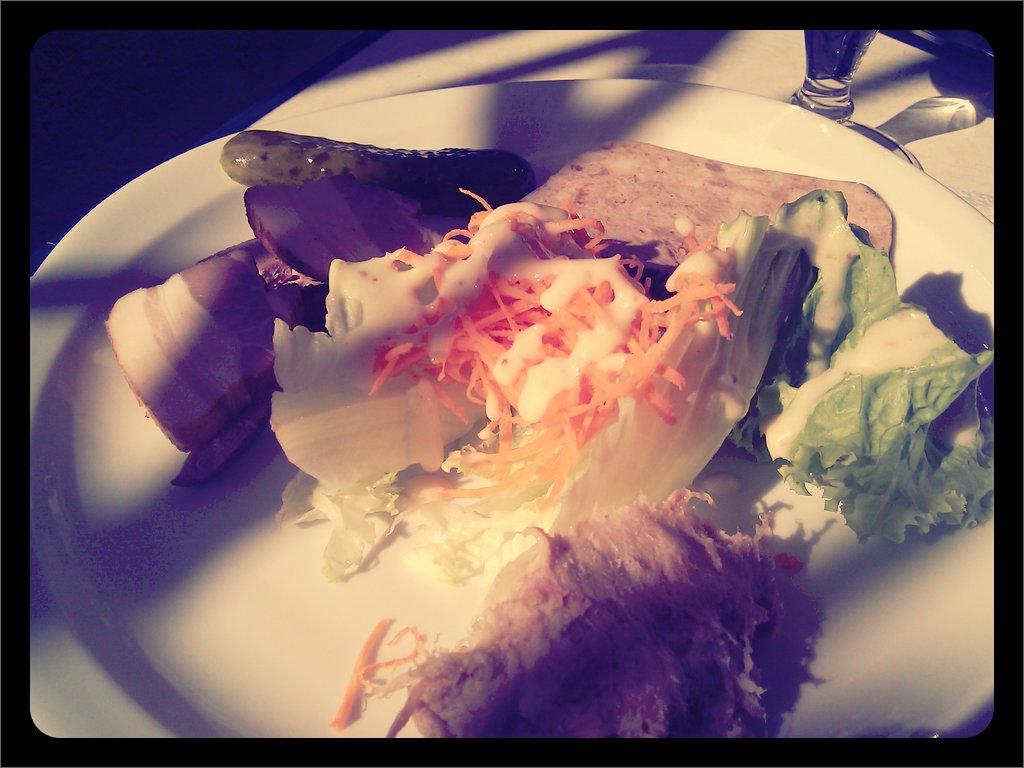
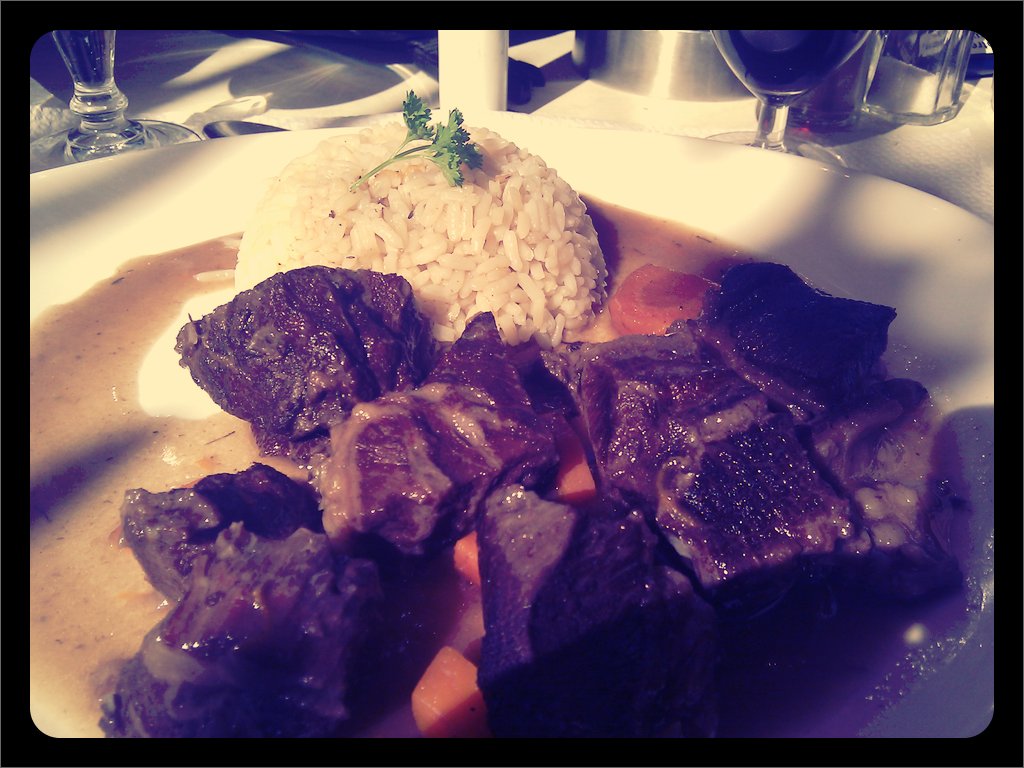
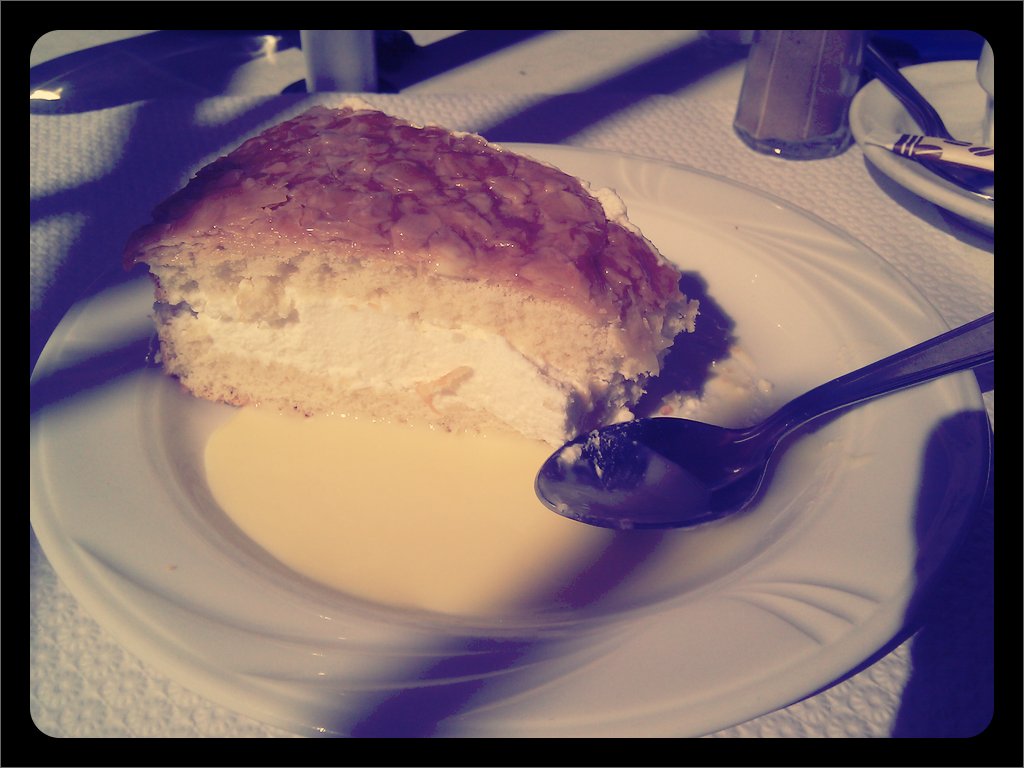
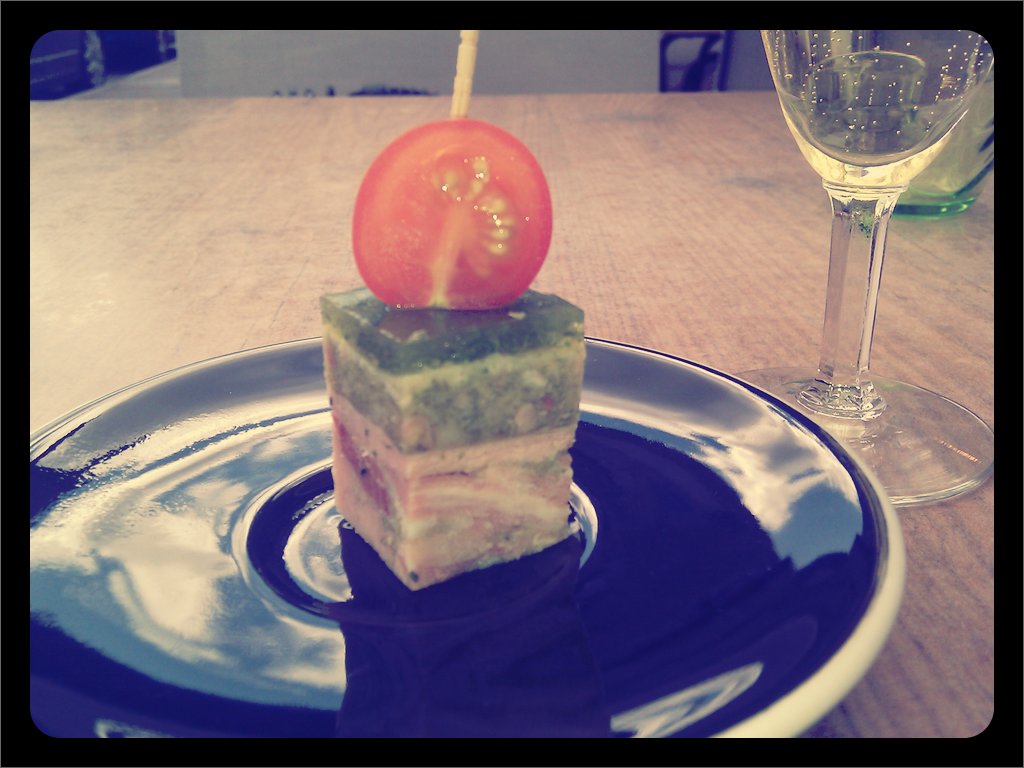
The next few days were a blur of tourist activities and wedding preparation, and then the wedding and reception, a 12+ hour extravaganza that included six courses spread over eight hours, several performances by a traditional Transylvanian folk dancing troupe, quite a bit of spirits – plum pálinka (Hungarian fruit brandy), cognac, a house-made blueberry liqueur, and so forth – and friendship, revelry and celebration.
On the day after the wedding (after a healthy interval to recuperate from the previous night’s revelry), most of the guests headed up to a B&B in the mountains. I headed out on my motorcycle so that I wouldn’t be tied to the group-mind when it came time to leave. About 10km outside of Sepsi, the rain started, so I stopped to put on my rain gear. A good thing, because the next hour had me riding in and out of rain bands, which grew more vigorous as I got closer to the mountains. After a particularly lightning strike, I stopped under a tree to figure out which direction the lightning was moving, only continuing once I was comfortable it had passed away from me. The road turned to gravel once I passed the town of Covasna, and I had ~13km of highly adventurous dirt road riding in torrential rain, much of it uphill through switchbacks. In many places the easiest / safest route was through the road ruts filled with rushing muddy water – the bottoms of these ruts were likely to be gravel, a safer course than the slick muddy ridges between the ruts.
The rain had tapered off by the time I arrived, thankfully. After drying off, I watched massive loaves of fresh bread being pulled out of the wood-fired oven, tops charred. The char was hacked off with what looked like a small hatchet, then a rap was used to clean up and shape the loaves. Delicious! Also delicious were the many little glasses of plum and homemade blueberry pálinka, cognac and later Unicum. There was a big bonfire on the hillside, good conversation with friends old and new, and another too-late night.
I stayed in the mountains for another night after the bulk of the wedding guests had left, wanting a little quiet time to enjoy the peace of the hills and trees and river, and to enjoy more relaxed company and conversation with new friends – two of the grooms cousins and one’s husband.
And then, back towards Hungary, with a night’s stop in Timisoara. I retraced my route (sadly; had I more time, I would have loved to ride either the Transfagarasan or Transalpina, two highways which strike across the heart of the southern Carpathians. These are supposed to both be excellent motorcycle roads. Ah, well, that just means I now have an excuse to return, right?
Timisoara is another lovely old city – a little historical trivia: it was the first city in mainland Europe to have electric street lamps – and I enjoyed a few brief tours with my CS host there, Silvana. She teaches languages, but her real joy is music. We talked for a couple of hours about bands, best concerts we’ve seen, and so on.
Before I draw this post to a close, a few general observations:
Romania is a disheveled beauty of a country, a captivating blend of modernity and old ways. I saw many horse-drawn carriages bearing people and crops, sharing the roadways with BMWs and Mercedes and long-haul semis. There are many small villages where people stand by the roadside vending produce from their farms, split firewood for the winter’s warmth or just sit on a bench talking with family or friends and watching the traffic flow by.
There doesn’t seem to be an overwhelming tourist industry yet, except for a few obvious places – Bran Castle (the aforementioned one-time home of ‘Count Dracula’) has a thriving tourist business, Brasov and Timisoara have central pedestrian plazas lined with upscale shops, pubs and cafes and gelato stands. Yet these stand in sharp contrast to the decaying buildings, layers of plaster eroding away to expose the brick and stone underneath. On one level, the buildings remind me of Thailand – more focus on making livable spaces rather than perfect exteriors. Cities are filled with fashionable, well-dressed young women and men, while the countryside and small towns seem to be mostly children, parents and the older generations – most of the young adults seem to be those well-dressed people in the cities. Seeing shepherds tending their flocks, farmers in fields with horse-drawn plows – Romania is a study in contrasts.
I hope to return and see more of this country.